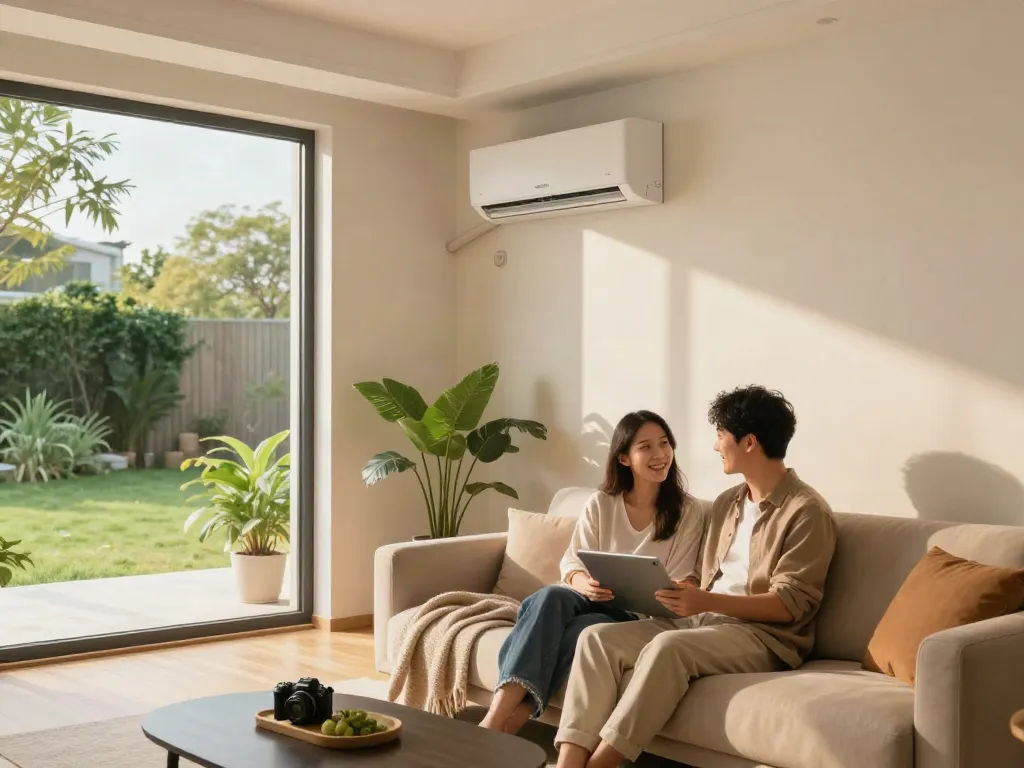
Understanding Mini Split Air Conditioners
As the demand for efficient and versatile heating and cooling solutions continues to rise, many homeowners are turning their attention to mini split air conditioner. These systems offer a unique way to distribute conditioned air without the need for ductwork, making them an attractive option for modern residences. Understanding the features and benefits of these systems can help you make a more informed decision when upgrading your home’s HVAC system.
What are Mini Split Air Conditioners?
Mini split air conditioners are compact, ductless systems that consist of an outdoor unit and one or more indoor units. Unlike traditional central air conditioning systems that rely on ductwork to circulate air, mini splits distribute air directly into individual rooms. This design allows for greater flexibility, as homeowners can control the temperature in different areas of their home independently.
How Mini Split Air Conditioners Work Efficiently
Mini split systems work by transferring heat between the indoor and outdoor units through a refrigerant. During the cooling process, the system absorbs heat from the indoor air and expels it outside, providing a cooler indoor environment. Conversely, during the heating process, the system extracts heat from the outside air and brings it indoors, delivering warmth even in colder climates. This efficiency stems from their inverter technology, which adjusts the compressor speed according to the temperature needed in the room.
Benefits of Using Mini Split Systems in Homes
- Energy Efficiency: Mini splits typically have higher SEER (Seasonal Energy Efficiency Ratio) ratings than traditional systems, leading to lower energy bills.
- Flexible Installation: The ductless design allows for easy installation, especially in homes without existing ductwork.
- Zone Control: Homeowners can set different temperatures for each indoor unit, enhancing comfort and energy savings.
- Quiet Operation: Many mini split systems operate at lower noise levels compared to conventional systems, making them ideal for bedrooms and study areas.
Choosing the Right Mini Split Air Conditioner
Factors to Consider When Buying
When selecting a mini split air conditioner, several factors come into play. First, assess the size of the space you want to cool or heat. A unit that is too small will struggle to maintain comfortable temperatures, while one that is too large may cycle on and off too frequently, reducing efficiency. Additionally, consider the system’s energy efficiency rating, available features like remote control and Wi-Fi connectivity, and the brand’s reputation for reliability and support.
Top Brands and Models to Explore in 2026
As of 2026, some of the leading brands in the mini split market include Daikin, Mitsubishi Electric, and Fujitsu. Each brand offers a range of models suited for various applications, from residential to commercial settings. Notably, Daikin’s Emura series is known for its stylish design and energy efficiency, while Mitsubishi Electric’s M-Series is celebrated for its robust heating performance.
Energy Efficiency Ratings and What They Mean
Understanding energy efficiency ratings is crucial when selecting a mini split air conditioner. The SEER rating indicates the unit's efficiency during the cooling season, while HSPF (Heating Seasonal Performance Factor) measures its heating efficiency. Generally, a higher rating translates to better energy efficiency and lower operational costs.
Installation Process and Costs
DIY vs Professional Installation: Pros and Cons
While some homeowners may consider DIY installation for mini split systems to save on costs, it is important to weigh the benefits and drawbacks. Professional installation typically ensures that the system is set up correctly, maximizing efficiency and performance. However, if you have experience in HVAC and electrical work, DIY installation can save money, but it may void the warranty if not performed correctly.
Cost Breakdown for Mini Split System Installation
The cost to install a mini split air conditioner can vary widely based on several factors, including the number of indoor units, the complexity of the installation, and labor costs in your area. On average, homeowners can expect to pay between $2,000 and $5,000 for a complete installation. This includes the cost of the units, necessary materials, and labor.
Common Installation Challenges and Solutions
When installing a mini split system, common challenges may include inadequate electrical supply, improper placement of indoor units, and refrigerant line installation. To overcome these issues, it is essential to consult with installers who have experience with mini splits. They can help anticipate potential problems and provide effective solutions before installation begins.
Maintenance Tips for Mini Split Air Conditioners
Regular Maintenance Practices for Longevity
To ensure optimal performance and longevity of your mini split system, regular maintenance is essential. Homeowners should clean or replace filters every month or as recommended by the manufacturer. Additionally, checking the outdoor unit for debris, ensuring the condensate drain is clear, and scheduling professional maintenance once a year can help maintain efficiency.
How to Troubleshoot Common Issues
Common issues with mini split systems include poor airflow, unusual noises, and fluctuating temperatures. If you experience poor airflow, check the air filter for clogs. For unusual noises, inspect the indoor and outdoor units for loose components. If temperatures fluctuate, ensure that the remote control settings are correctly set, and consider calling a professional for thorough diagnostics.
Signs Your System Needs Professional Attention
It is crucial to recognize when your mini split system requires professional attention. Some signs include persistent leaks, strange odors emanating from the unit, and reduced cooling or heating efficiency despite regular maintenance. Ignoring these symptoms can lead to more significant issues and higher repair costs down the line.
Future Trends in Mini Split Air Conditioning
Innovative Features to Look Out for in 2026
As technology continues to evolve, mini split systems are incorporating more advanced features. Look for models with variable-speed compressors that can operate at different speeds for improved efficiency, as well as smart thermostats that allow for remote temperature control via smartphone apps.
Smart Technology Integration in Air Conditioning
Smart technology is becoming a standard feature in modern mini split systems. Integration with home automation systems allows users to control their HVAC settings alongside other smart devices, enhancing convenience and energy management.
Market Predictions for Mini Split Systems
Experts predict that the mini split air conditioning market will continue to grow, driven by the increasing demand for energy-efficient solutions and ongoing advancements in technology. As homeowners seek to reduce their carbon footprint and energy bills, mini splits are likely to become a go-to choice for heating and cooling.
What are the Advantages of Mini Split Systems?
The advantages of mini split systems extend beyond their efficient heating and cooling capabilities. They offer installation flexibility, reduced energy costs, and improved air quality by reducing the amount of dust and allergens circulating through ductwork. Furthermore, these systems often operate more quietly than centralized systems, making them a preferred option for residential settings.
How to Maximize Energy Efficiency with Mini Splits?
To maximize the energy efficiency of your mini split air conditioner, ensure proper installation and regular maintenance. Utilize zoning capabilities to only cool or heat rooms as needed, and take advantage of programmable thermostats to optimize energy use during peak hours. Additionally, sealing gaps and ensuring proper insulation can prevent energy loss in your home.
Are Mini Split Systems Suitable for Cold Climates?
Yes, mini split systems are increasingly designed to function efficiently in cold climates. Many modern units can extract heat from outdoor air even at freezing temperatures, providing reliable heating without the need for supplemental systems. It is crucial to choose a model specifically rated for low-temperature performance when installing in colder regions.
What are the Installation Requirements for Mini Splits?
Installation requirements for mini split systems vary by model and manufacturer. Generally, a professional installation is recommended to ensure compliance with local building codes and optimal performance. The outdoor unit should be placed on a stable, level surface with adequate clearance for airflow, while indoor units require access to power sources and must be mounted at an appropriate height for effective air distribution.
How do Mini Splits Compare to Central AC Systems?
Mini splits offer several advantages over traditional central air conditioning systems. They are often more energy-efficient, can be installed in homes without existing ductwork, and allow for independent temperature control in different rooms. However, central AC systems may still be more suitable for larger homes with extensive ductwork, as they provide comprehensive cooling throughout the entire space.