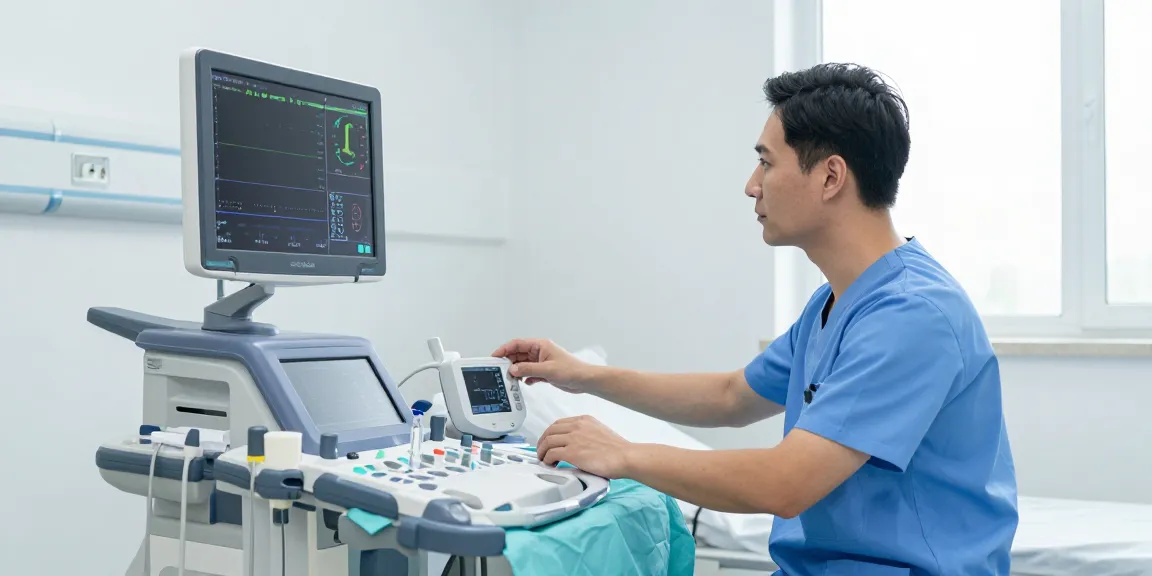
The Evolution of Medical Equipment in 2026
As we step into 2026, the landscape of medical equipment has transformed dramatically, shaped by technological advancements and an increasing emphasis on patient-centered care. The advent of artificial intelligence, telemedicine, and advanced data analytics has paved the way for new tools and devices that enhance medical practices. This evolution not only addresses the growing demand for efficient healthcare solutions but also highlights the crucial role that medical equipment plays in improving patient outcomes and streamlining healthcare delivery.
The Historical Context of Medical Equipment Development
The history of medical equipment is a testament to human ingenuity and the relentless pursuit of better healthcare. From the invention of the stethoscope in the early 19th century to the development of MRI machines in the late 20th century, each innovation has significantly impacted diagnostic and treatment capabilities. By understanding this historical context, we can appreciate how far we’ve come and the milestones that have paved the way for today’s advanced technologies.
In recent decades, the introduction of computerized systems and robotics has revolutionized surgical practices and patient monitoring, leading to more precise interventions and shorter recovery times. The pace of innovation has only accelerated in the last few years, as we witness a surge in personalized medicine, which tailors treatments based on individual patient profiles.
Current Innovations Transforming Patient Care
2026 is marked by notable innovations in medical equipment that are changing patient care dynamics. Wearable technologies, such as smartwatches equipped with health monitoring features, allow patients to track vital signs continuously. These devices not only facilitate personal health management but also empower healthcare providers with real-time data to make informed decisions.
Telemedicine has also gained significant traction, especially post-pandemic, enabling remote consultations and expanding access to healthcare services. Medical devices integrated with telehealth platforms allow for seamless communication between patients and providers, ensuring timely intervention and reducing hospital visits.
Key Technologies Shaping the Future of Healthcare Equipment
Looking ahead, several key technologies are set to shape the future of medical equipment:
- Artificial Intelligence (AI): AI algorithms can analyze vast datasets to predict disease outbreaks, personalize treatment plans, and automate routine tasks, freeing up healthcare professionals to focus on patient care.
- Internet of Medical Things (IoMT): Connected devices that communicate patient data directly to healthcare systems are redefining how medical facilities operate, leading to improved efficiency and collaboration.
- 3D Printing: Custom prosthetics and implants can be made on-demand, allowing for tailored healthcare solutions that match individual patient anatomies perfectly.
Understanding the Impact of Medical Equipment on Patient Outcomes
Investing in the right medical equipment can have a profound impact on patient outcomes. High-quality tools not only enhance the accuracy of diagnostics but also improve the effectiveness of treatments delivered. It is crucial for healthcare facilities to evaluate equipment based on its expected impact on patient care.
How Advanced Medical Equipment Improves Diagnosis and Treatment
Advanced imaging modalities, such as digital X-rays and PET scans, provide detailed insights into patient health, facilitating early diagnosis of critical conditions. For instance, the integration of AI in imaging analysis can enhance the detection of anomalies that may be overlooked by human eyes. This technology aids in making timely treatment decisions, thus improving patient prognosis.
Case Studies: Successful Implementations in Healthcare Facilities
Many healthcare facilities that have integrated advanced medical equipment into their daily operations report improved patient outcomes. For instance, a leading hospital in New York recently adopted robotic-assisted surgery systems, resulting in fewer complications and shorter recovery times for patients undergoing laparoscopic procedures. Similarly, clinics utilizing telehealth platforms have reported increased patient engagement and satisfaction.
Analyzing Patient Feedback on New Medical Technologies
Patient feedback is instrumental in assessing the effectiveness of new medical technologies. Surveys and reviews offer critical insights into user experience and highlight areas where technology may need improvements. Hospitals are increasingly turning to patient-centered approaches, where equipment usability is evaluated not just on technical performance but also on how it affects the patient’s journey.
Common Challenges in the Adoption of Medical Equipment
While the benefits of advanced medical equipment are clear, adoption comes with its challenges. Addressing these hurdles is essential for healthcare providers aiming to optimize their equipment procurement processes.
Cost Factors and Budget Constraints for Healthcare Providers
One of the primary challenges in acquiring new medical equipment is the cost. Budget constraints often limit the ability of healthcare facilities to invest in the latest technologies. Decision-makers must carefully evaluate the cost-benefit ratio of new equipment, considering both the initial investment and the long-term savings and outcomes associated with its use.
Training and Integration Issues for Medical Personnel
Introducing new medical equipment requires comprehensive training for medical personnel. Lack of proper training can lead to underutilization or misuse of equipment, ultimately impacting patient care. Effective onboarding and ongoing education efforts are essential to fully realize the potential of new technologies.
Regulatory Hurdles: Navigating Approval Processes
Regulatory compliance is another significant barrier to the adoption of medical technologies. Navigating the approval processes set by bodies such as the FDA can be time-consuming and complex. Healthcare providers must stay abreast of regulatory changes to ensure their equipment meets the required safety and efficacy standards.
Best Practices for Selecting Medical Equipment
Selecting the right medical equipment requires a strategic approach that considers various factors, from technology features to vendor relationships.
Identifying Essential Features and Specifications
When evaluating medical equipment, it’s essential to identify the must-have features that meet specific healthcare needs. For example, in imaging equipment, factors such as resolution, ease of use, and compatibility with existing software systems should be prioritized. A comprehensive list of specifications will guide informed purchasing decisions.
The Role of Vendor Relationships in Equipment Acquisition
Establishing strong relationships with equipment vendors can be beneficial. Vendors can offer valuable insights into the latest technologies, provide training resources, and ensure ongoing support. Engaging with vendors early in the process can also lead to better pricing and terms.
Evaluating Long-term Value and Return on Investment
When making purchasing decisions, it’s crucial to consider long-term value rather than just upfront costs. Calculate potential ROI by assessing how the equipment can improve operational efficiency, reduce downtime, and enhance patient care. Tools that result in better outcomes can justify higher initial investments over time.
The Future of Medical Equipment: Predictions for 2026 and Beyond
As we look to the future, several trends will likely define the medical equipment landscape.
Emerging Trends in Medical Technology Innovations
By 2026, we can expect to see more sophisticated innovations in medical technology, including augmented reality (AR) for surgical planning and enhanced patient education. These technologies will offer immersive experiences that improve understanding and compliance.
Impact of Telemedicine on Equipment Design and Use
Telemedicine is reshaping how medical equipment is designed and utilized. Devices must be interoperable with telehealth platforms, ensuring seamless data sharing between patients and healthcare providers. This shift will lead to the development of new, more user-friendly interfaces and devices that better serve telehealth needs.
Expert Opinions on the Next Generation of Medical Devices
Experts predict that the next generation of medical devices will emphasize patient autonomy and home-based care. Devices that empower patients to monitor their health from home will be more prevalent, reducing the pressure on hospital resources and improving lifestyle management.
What are the Benefits of Smart Medical Equipment?
Smart medical equipment offers numerous benefits, including enhanced data collection, improved patient monitoring, and predictive analytics capabilities. These features not only contribute to more personalized care but also allow healthcare providers to shift from reactive to proactive treatment strategies.
How do Environmental Factors Influence Medical Equipment Design?
Environmental sustainability is becoming a critical consideration in the design and manufacture of medical equipment. Manufacturers are increasingly focusing on eco-friendly materials and energy-efficient designs, responding to both regulatory pressures and consumer demand for sustainable practices.
What are the Standards for Medical Equipment Safety?
Maintaining high safety standards is crucial in the medical equipment sector. Regulatory frameworks from organizations like the FDA help ensure that equipment meets safety criteria before it reaches healthcare facilities. Continuous monitoring and improvements based on clinical feedback are essential to uphold these standards.